Category: Local News

  • Strengthening regional collaboration in digital broadcasting

    Strengthening regional collaboration in digital broadcasting

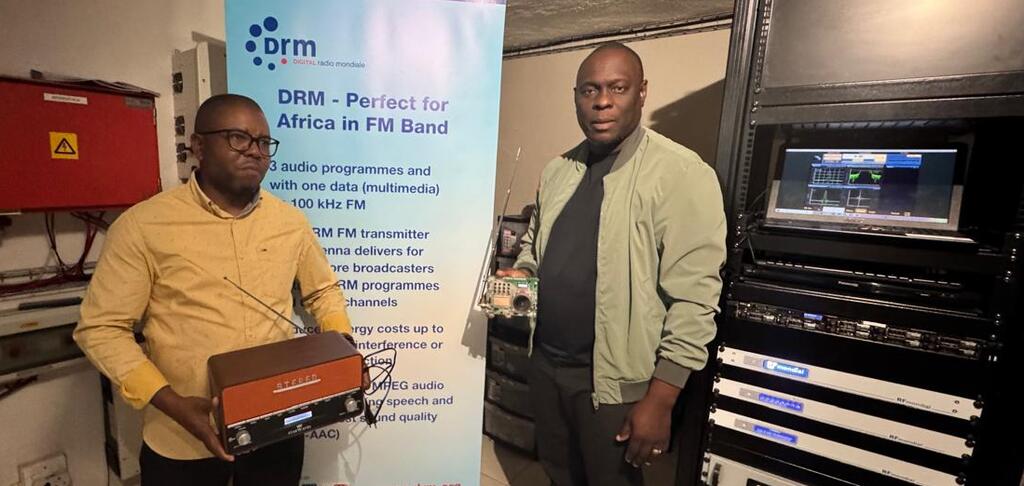
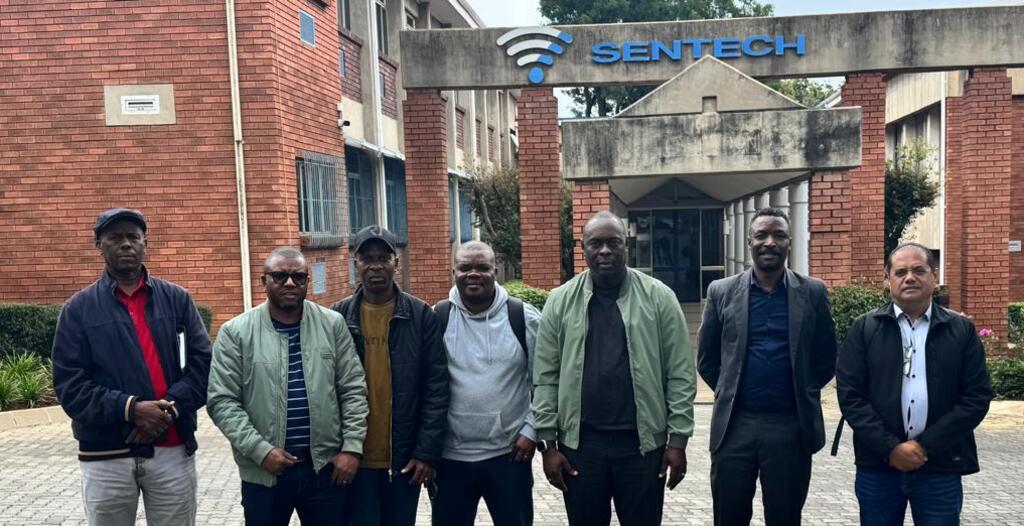
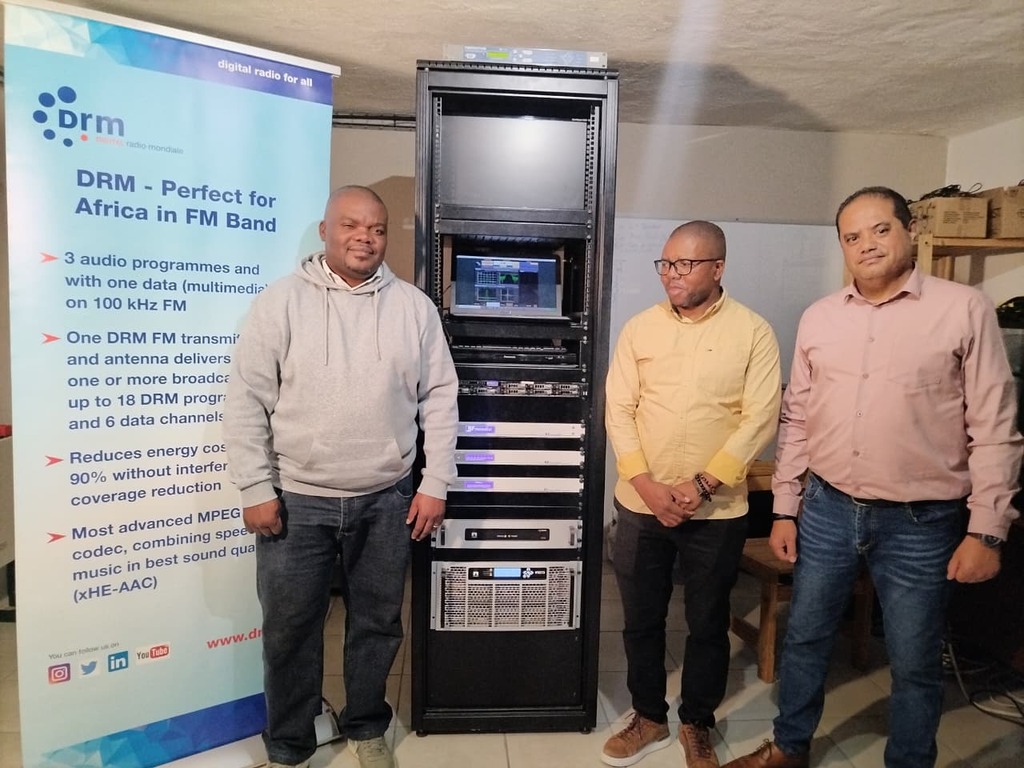
    We were honored to host the delegation from INCM Mozambique and Radio Mozambique at the DRM South Africa demonstration site for a strategic engagement on the future of digital radio across the continent.

    The visit which took place on the 14th-15th April 2026, provided a valuable platform to assess the current DRM implementation, including technical infrastructure, operational capabilities, and the broader ecosystem required to support sustainable digital sound broadcasting. It also enabled a constructive exchange of insights on how DRM technology can enhance spectrum efficiency, expand coverage, and improve the overall quality of broadcasting services. The delegation also met with Sentech SOC Ltd to learn more about Sentech’s capabilities as a national signal distributor.

    As Mozambique evaluates the next phase of its digital radio journey, engagements of this nature are critical in informing decision-making and ensuring long-term impact.

    We look forward to continued collaboration in advancing a more resilient, inclusive, and future-ready broadcasting landscape for Africa

  • South Africa Launches DRM in FM Demonstration on 91.25 MHz

    South Africa Launches DRM in FM Demonstration on 91.25 MHz

    The DRM Southern Africa (DRM SA) Group has officially launched its DRM in FM demonstration from the Northcliff site in Johannesburg.

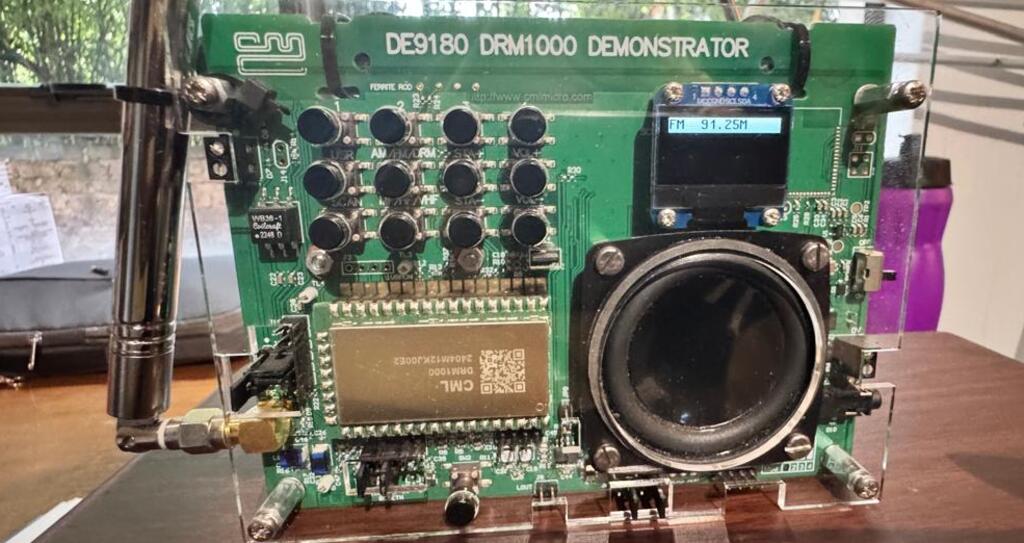
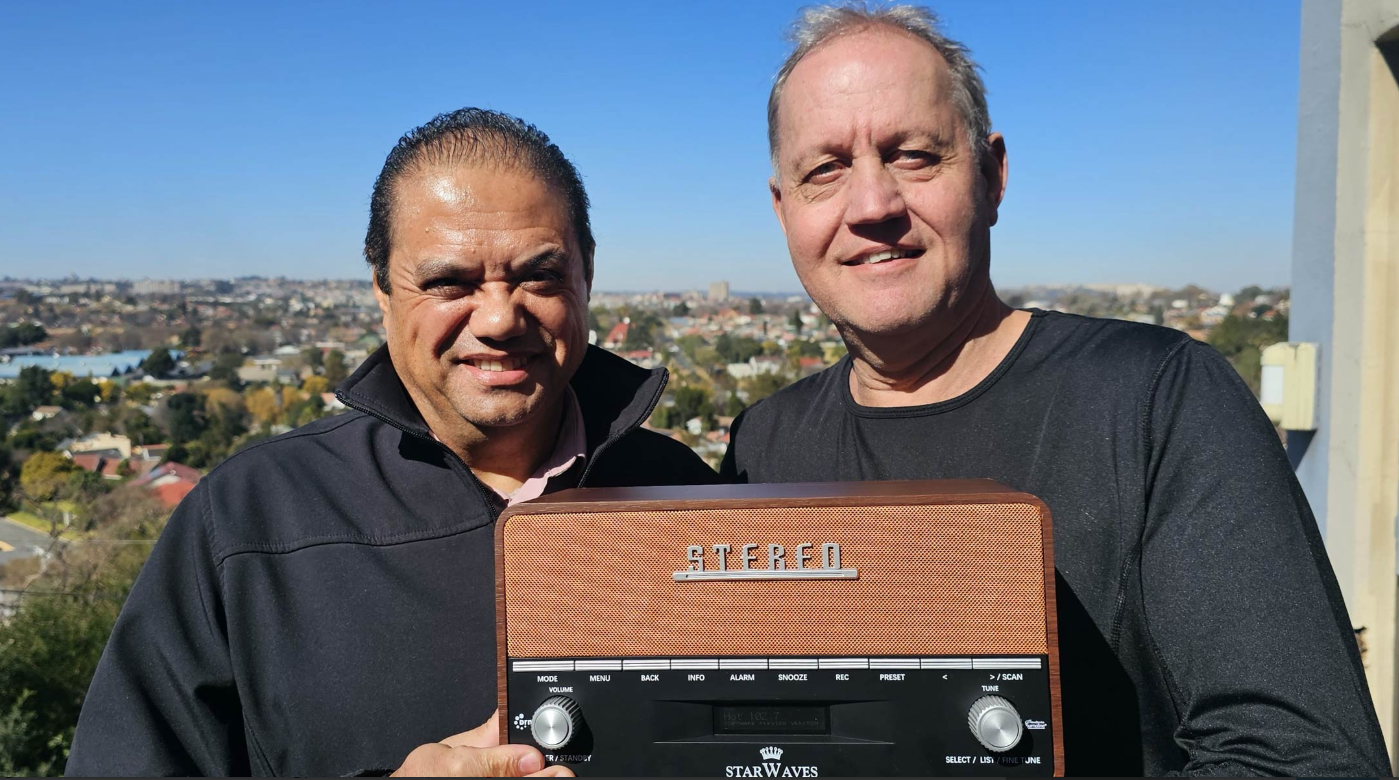
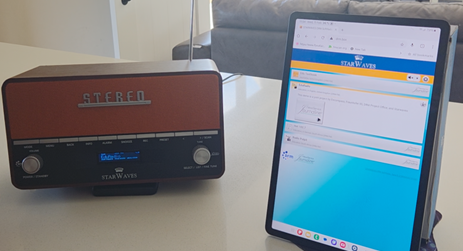
    Broadcasting on 91.25 MHz at 70W transmitter output power, the showcase carries multiple services — Radio Pulpit, HOT 102.7 amongst others — on a single FM frequency using Digital Radio Mondiale (DRM).

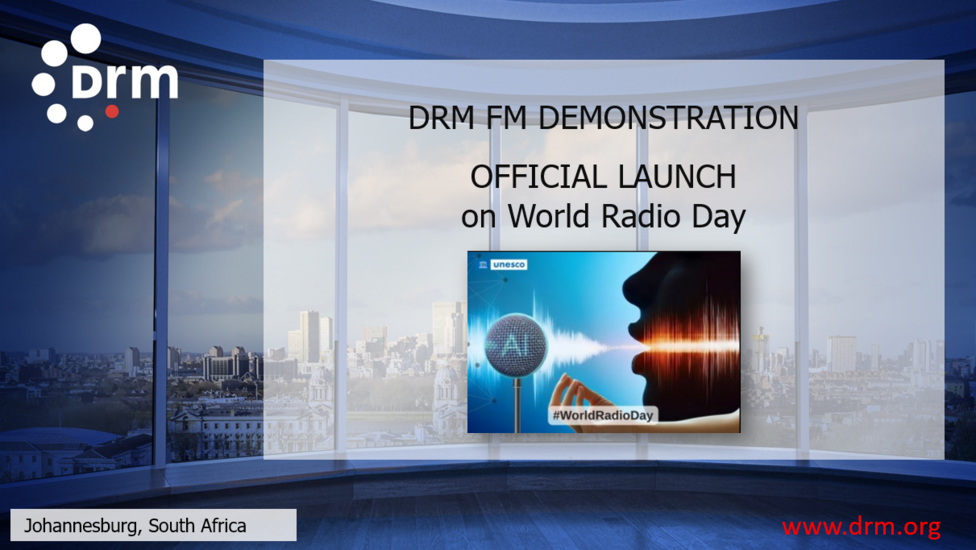
    Launched on UNESCO World Radio Day, the demonstration highlights key DRM capabilities including multi-channel broadcasting, Emergency Warning Functionality (EWF), Journaline-based information services, and improved energy efficiency.

    The initiative brings together broadcasters, technology partners, receiver manufacturers and industry stakeholders to showcase the future of digital sound broadcasting in South Africa.

    Click on the picture to watch the video.

  • South Africa Launches DRM in FM Demonstration on World Radio Day‌

    South Africa Launches DRM in FM Demonstration on World Radio Day‌

    The DRM Southern Africa (DRM SA) Group will officially launch a DRM in FM demonstration and showcase on Friday, 13 February 2026, coinciding with UNESCO World Radio Day. The demonstration marks an important step in South Africa’s journey toward digital sound broadcasting and forms part of DRM’s global partnership with UNESCO in support of World Radio Day.

    The DRM in FM demonstration will broadcast a live digital radio signal from a high-site in Northcliff, Johannesburg, operating at 70 watts transmitter output power on 91.25 MHz. Multiple radio services will be carried simultaneously on a single FM frequency, including Radio Pulpit, HOT1027, amongst others.

    The demonstration is conducted under a test licence issued by ICASA, South Africa’s communications regulator, and is intended to showcase the technical, commercial, and public-interest benefits of Digital Radio Mondiale (DRM) operating in the FM band.

    World Radio Day and UNESCO Partnership

    The launch takes place on World Radio Day, celebrated annually by UNESCO to recognise radio as a powerful medium for education, information, and social connection. DRM is an official partner of UNESCO World Radio Day, and the South African demonstration actively contributes to this global initiative.

    As part of the World Radio Day programme, the DRM in FM platform will also be used to showcase education-focused and informational digital radio content, demonstrating how DRM can support learning, accessibility, and public communication through data services such as Journaline. This is a world first for DRM.

    Objectives of the DRM in FM Demonstration

    The demonstration aims to:

    1. Create awareness of DRM among broadcasters, regulators, industry stakeholders, and the public
    2. Demonstrate key DRM features and benefits, including:
    1. Distance learning and information services via Journaline
    2. Emergency Warning Functionality (EWF) for public safety communications
    3. Multi-channel broadcasting using a single FM transmitter
    4. Energy efficiency compared to analogue FM transmission.

    3. Test business and operational processes for a digital radio broadcast service, including potential new revenue models and cost efficiencies

    • Stimulate the local DRM receiver ecosystem, including automotive, mobile, and standalone receivers
    • Engage the automotive industry, including stakeholders such as naamsa, to support future digital sound broadcasting (DSB) adoption

    The demonstration also highlights that DRM is currently the only digital radio standard capable of serving all coverage needs — from national and regional coverage to local and community broadcasting — making it particularly well suited to a country with South Africa’s geographic and demographic diversity.

    Technology and Supporting Partners

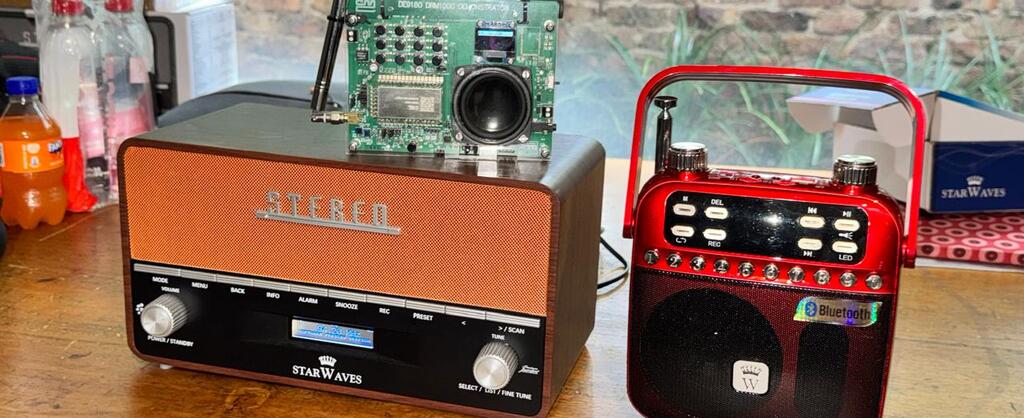
    The DRM in FM transmission uses professional DRM broadcast equipment previously deployed in South Africa during earlier technical evaluations. The transmitter installation and antenna system have been implemented by BluLemon, a member of the DRM SA Group.

    The demonstration is supported by a broad ecosystem of DRM technology partners, including:

    This collaborative approach brings together broadcasters, signal distributors, technology providers, receiver manufacturers, automotive stakeholders, and policy bodies to demonstrate DRM in a real-world South African FM environment.

    Looking Ahead

    Insights gained from the DRM in FM demonstration will contribute to future digital radio planning in South Africa, support broadcasters evaluating DRM adoption, and inform the development of practical implementation guidance for both South Africa and the wider African region.
  • Digital Radio Mondiale DRM – Free Training & SpecialBroadcasts on UNESCO World Radio Day 2026

    The DRM Consortium will be part of the UNESCO World Radio Day 2026 on an unprecedented scale by showcasing AI-enabled e-learning via digital radio.

    Live Training Sessions

    On 13 February 2026, DRM specialists will demonstrate how DRM digital broadcasts can deliver distance learning content – audio, text and images – live or for later use, in one or more languages. And you still have time to register for the Live Training Sessions: AI-Enabled E-Learning via DRM Digital Radio.

    Participants worldwide can register via the link or QR code below and select the time slot that best fits their time zone:

    📅 Friday, 13 February 2026
    🕘 Option 1: 09:00 UTC
    🕒 Option 2: 15:00 UTC

  • DRM for Education: Global Demonstrations

    DRM for Education: Global Demonstrations

    DRM partners are also planning for the first time global demonstration broadcasts on shortwave across five continents and, also, for the first time in DRM FM!

    Thus, the DRM Southern Africa (DRM SA) Group will officially launch a DRM in FM demonstration and showcase distance learning content on Friday, 13 February 2026, coinciding with UNESCO World Radio Day. The demonstration part of DRM’s global partnership with UNESCO in support of World Radio Day. The DRM in FM demonstration, the first of its kind using educational content, will consist of a live digital radio signal broadcast from a high site in Northcliff, Johannesburg, operating at 70 watts transmitter output power on 91.25 MHz. Multiple radio services will be carried simultaneously on a single FM frequency, including Radio Pulpit, Hot 102.7, amongst others.

    Please check the complete World Radio Day DRM broadcast schedule.

    We would welcome reception reports from listeners and partners, including audio recordings, photos, or short videos documenting the reception of DRM educational broadcasts. Please send any material to projectoffice@drm.org.
    A selection of the best contributions will be mentioned on the DRM communication channels.